The electric vehicle (EV) market is experiencing a meteoric rise. Driven by environmental concerns, technological advancements, and government incentives, EVs rapidly transition from a niche segment to a mainstream transportation option. SNS Insider predicted in a May 2024 report that the EV market looks poised to exceed 515.46 Billion US dollars by 2031 with a CAGR of 8.9% throughout the 2024-2031 forecast period!
Promising predictions such as these naturally create excitement industry-wide. However, this rapid growth presents a unique set of challenges for EV manufacturers, particularly in the realm of procurement. Partnering with authorized distributors is no longer a luxury; it’s a strategic necessity for success in the dynamic EV landscape.
The Evolving Landscape of EV Manufacturing
EVs are complex machines and rely on a diverse range of electronic components to function. As highlighted in an article by Sager Electronics, these components include:

- Power supplies
- Connectors
- Cables
- Microcontrollers
- Voltage/current sensors
- Relays
- Sensors
- Semiconductors
- User interface components
Securing a steady supply of these components, especially in the face of rapid technological advancements and potential supply chain disruptions, is a critical challenge for EV manufacturers.
If you’re looking for B2B components and parts, search over 300 million products from many sources here!
The New EV Tax Credit Landscape and Its Impact
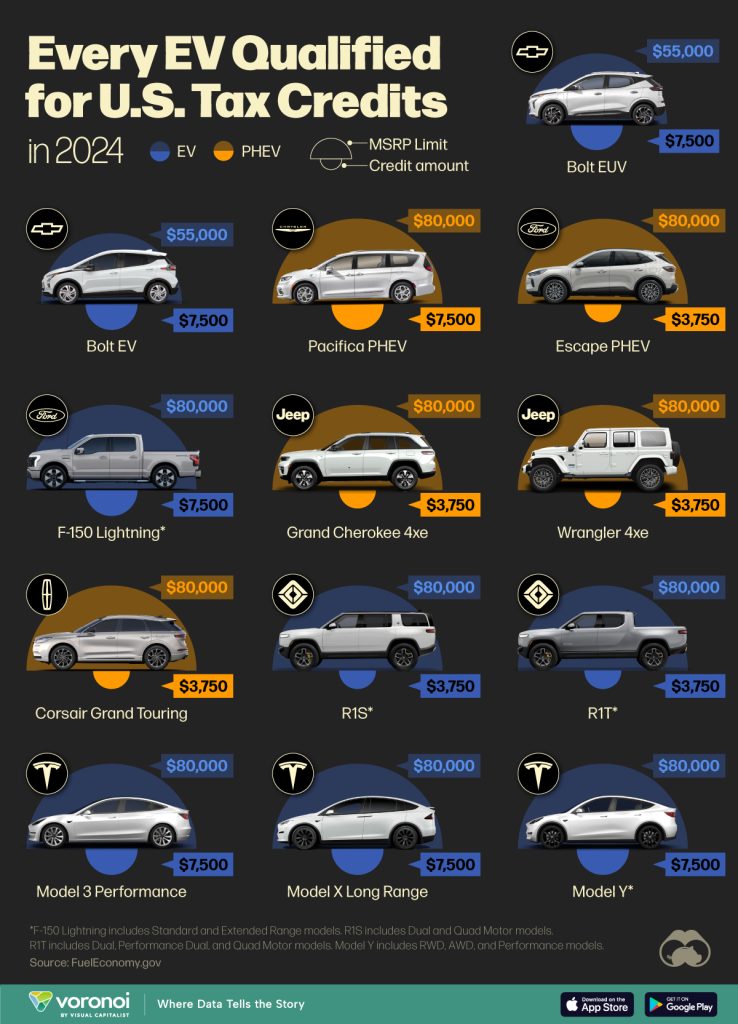
New legislation aims to realize a recently published goal of the Biden Administration to see electric vehicles account for half of all new vehicle purchases by 2030.
The Inflation Reduction Act (IRA) of 2022 introduced significant changes to the EV tax credit program in the United States, as explained in an article by The Hill. To qualify for the full $7,500 tax credit, new EVs purchased after December 31, 2022, must meet specific criteria regarding the source countries of essential battery components and critical minerals. This necessitates a shift in sourcing strategies for many EV manufacturers, further complicating the procurement landscape.
Initial industry review of new rules surrounding EV manufacturing and availability of tax incentives raised concerns. In fact, Only 13 of the 114 US-produced EVs qualify. Updates to legislation released in May 2024 relax certain requirements to allow the industry time to develop component tracing strategies and increase production and mining capabilities domestically and in approved countries abroad. The new rules exempt small amounts of graphite and other critical minerals used in EV batteries until 2027 because these minerals are incredibly difficult to trace.
The Benefits of Partnering with Authorized Distributors for Electric Vehicle Components
In this dynamic and challenging environment, partnering with authorized distributors offers several key advantages for EV manufacturers:
- Mitigating Supply Chain Disruptions: As highlighted in an article from Electronic Sourcing, global events, geopolitical tensions, and natural disasters can disrupt the flow of critical components. Authorized distributors maintain diverse supplier networks and often hold significant inventory, minimizing the impact of such disruptions on EV production schedules.
- Cost Optimization: Distributors offer a range of tools and programs designed to help manage carrying costs and optimize pricing. They leverage their buying power to negotiate favorable terms with suppliers, which translates to cost savings for EV manufacturers.
- Quality Assurance: Distributors vet their suppliers rigorously, ensuring access to high-quality electronic components that meet stringent industry standards and government regulations. This reduces the risk of component failure and costly product recalls for EV manufacturers.
- Technical Expertise & Design Support: Leading distributors employ a team of technical specialists with in-depth knowledge of the latest EV technologies and components. These specialists can provide valuable design support to EV manufacturers, assisting in component selection, reference design implementation, and troubleshooting technical challenges.
- Compliance with EV Tax Credit Regulations: Distributors stay updated on the evolving EV tax credit landscape and can provide valuable insights into sourcing components that comply with the new North American content requirements. This allows EV manufacturers to navigate these regulations effectively and ensure their vehicles remain eligible for the full tax credit.
Want to know more? Read our guide to understanding distributor tiers here!
Beyond Procurement: Collaborative Electric Vehicle Partnerships
The partnership between EV manufacturers and authorized distributors goes beyond securing electronic components. It fosters a collaborative environment that accelerates innovation and propels the EV industry forward. Here are some additional benefits of this collaboration:
- Market Intelligence & Trend Analysis: Distributors possess a wealth of market intelligence and insights into the most recent EV design trends and component availability. Sharing this knowledge with EV manufacturers allows them to make informed design decisions and stay ahead of the curve.
- New Product Introduction (NPI) Support: Distributors play a crucial role in facilitating the introduction of new and innovative electronic components for EVs. They have established channels for communicating new product information to EV design teams, accelerating the adoption of cutting-edge technologies within the EV market.
- Joint Design Wins: Distributors and EV manufacturers can collaborate on joint design programs. Distributors leverage their technical expertise and customer relationships to secure design wins for the CMs’ EV-specific components within OEM platforms, further propelling innovation within the industry.
Building a Successful Collaboration
To build a successful and mutually beneficial partnership with authorized distributors, EV manufacturers should prioritize the following:
- Clear Communication: Open and transparent communication regarding production schedules, component requirements, and any potential challenges is crucial for effective collaboration.
- Long-Term Relationships: Developing long-term partnerships with distributors fosters trust, understanding, and a commitment to mutual success. Furthermore, this allows for collaborative planning and proactive problem-solving.
- Shared Goals: Both parties must have a shared vision of success. Aligning goals, such as maximizing production efficiency, or staying ahead of the technological curve, creates a strong foundation for collaboration.
- Joint Investment in Innovation: EV manufacturers and distributors can collaborate on joint investment initiatives. These initiatives support the development and adoption of new technologies within the EV space. For example, possible collaborations include co-funding research and development projects or exploring opportunities to integrate emerging technologies into EV designs.
Global Opportunities: A Case for Malaysia
As the EV market continues to expand, opportunities are emerging on a global scale. Countries like Malaysia are actively positioning themselves as key players in the EV ecosystem, as highlighted in an article by Nikkei Asia. Initiatives like developing domestic battery production capabilities create new sourcing options for manufacturers while strengthening regional supply chains.
However, navigating these global opportunities necessitates a strong network of partners with expertise in different regions. Authorized distributors, with their global reach and established relationships across continents, can be invaluable allies for EV manufacturers seeking to diversify their sourcing strategies and capitalize on emerging market opportunities.
Electric Vehicles and The Road to a Sustainable Future
The EV revolution presents a unique opportunity to address climate change concerns and build a cleaner, more sustainable future. By leveraging the expertise and capabilities of authorized distributors, electric vehicle manufacturers can navigate the complex challenges of this evolving landscape.
Mectronic proudly partners across the electronic component industry and supports a collaborative approach. We are driven by innovation and strategic partnerships. Such instrumental collaborations promise to accelerate EV adoption, ensure a reliable supply chain, and ultimately make sustainable transportation a reality.
Interested in the latest trends and innovations in technology? The Mectronic blog is your source for trusted insight into the technology world. Check our blog for regular updates!
Mectronic has been connecting sellers and buyers for 25 years. With powerful search tools and over 300 million products, Mectronic helps you find the B2B components you need from sources you trust. Find the parts and components you need today here!